Drawing Tattoo Designs for Beginners 4K HD Designs
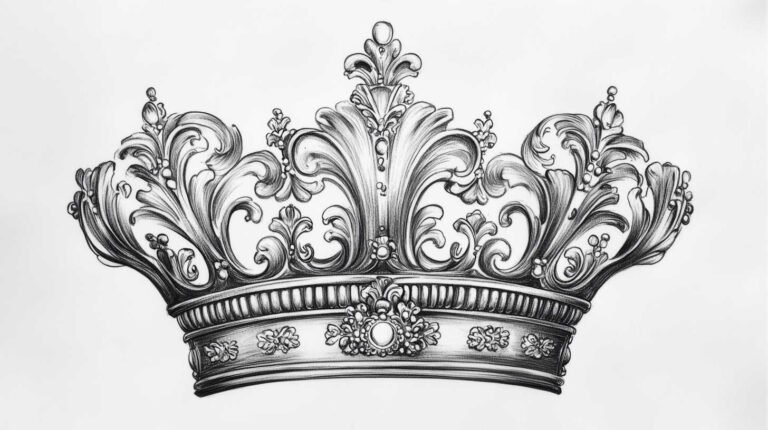
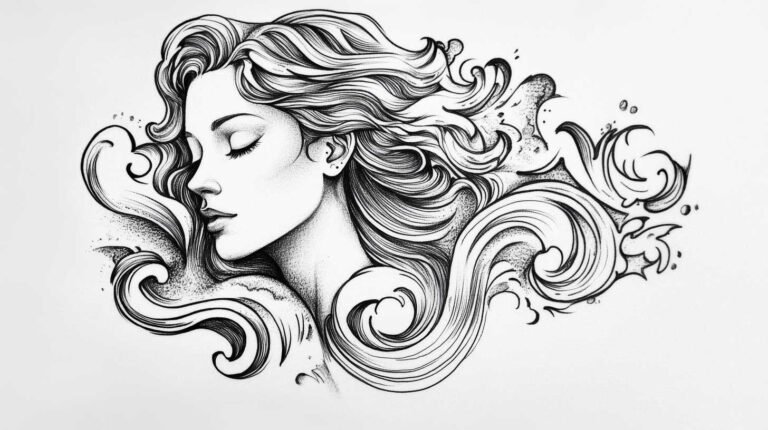
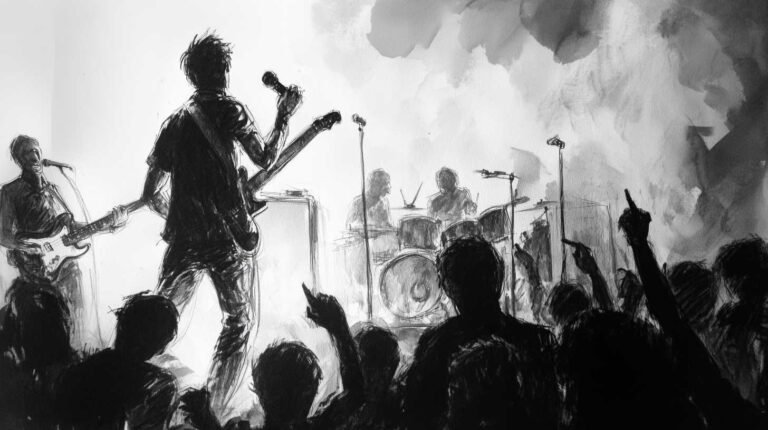
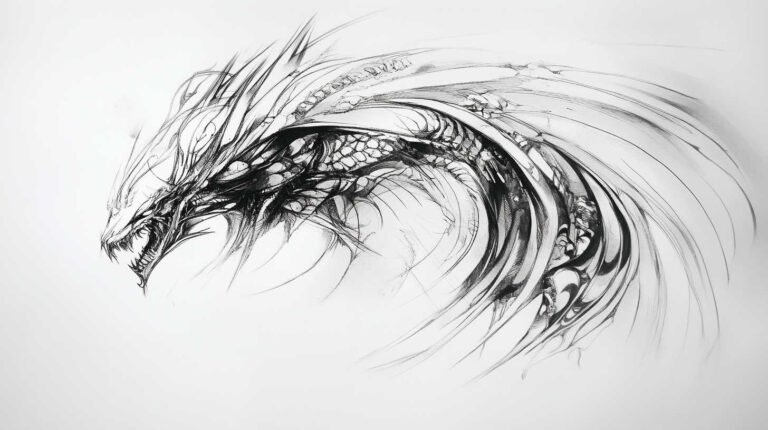
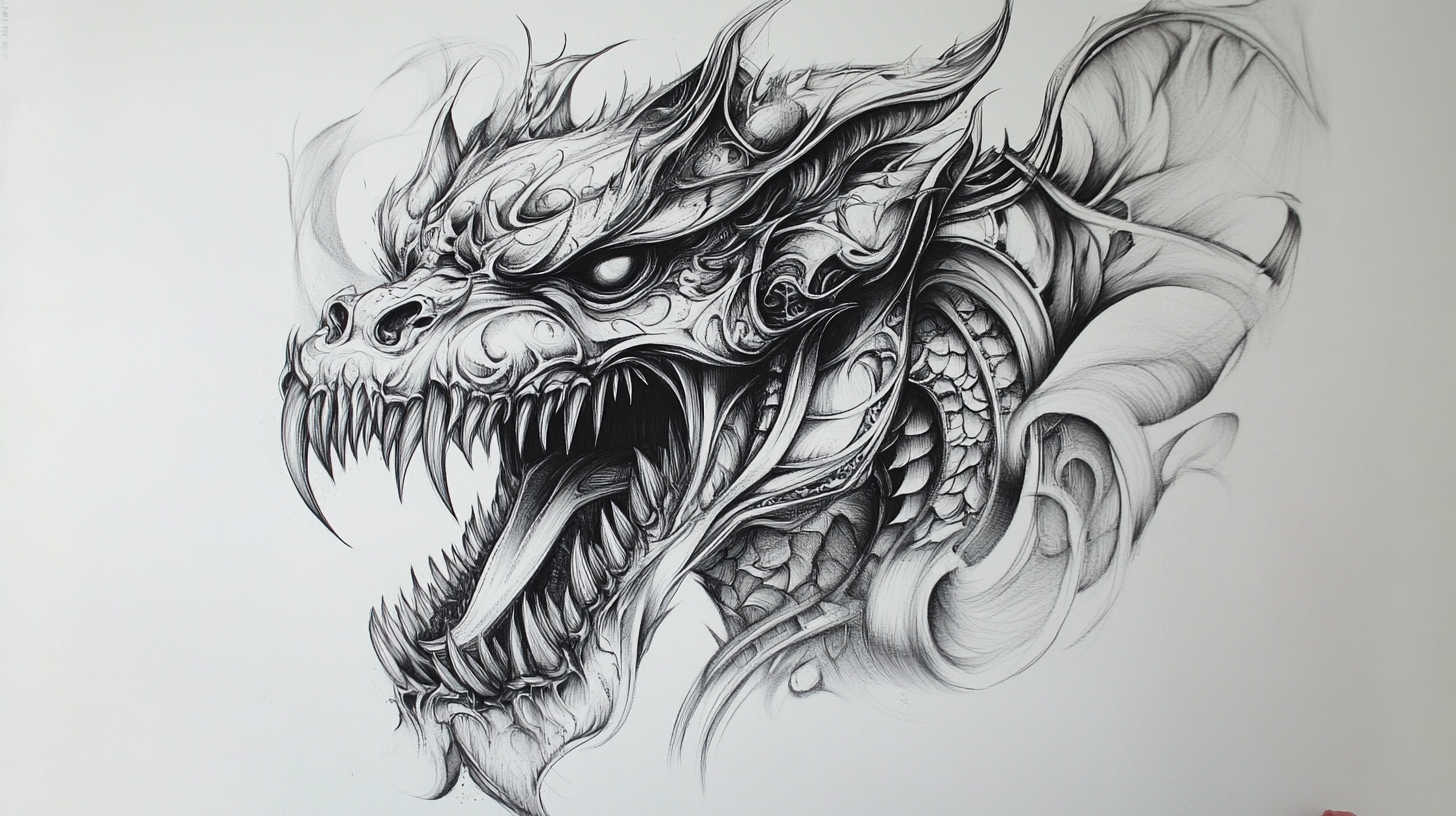
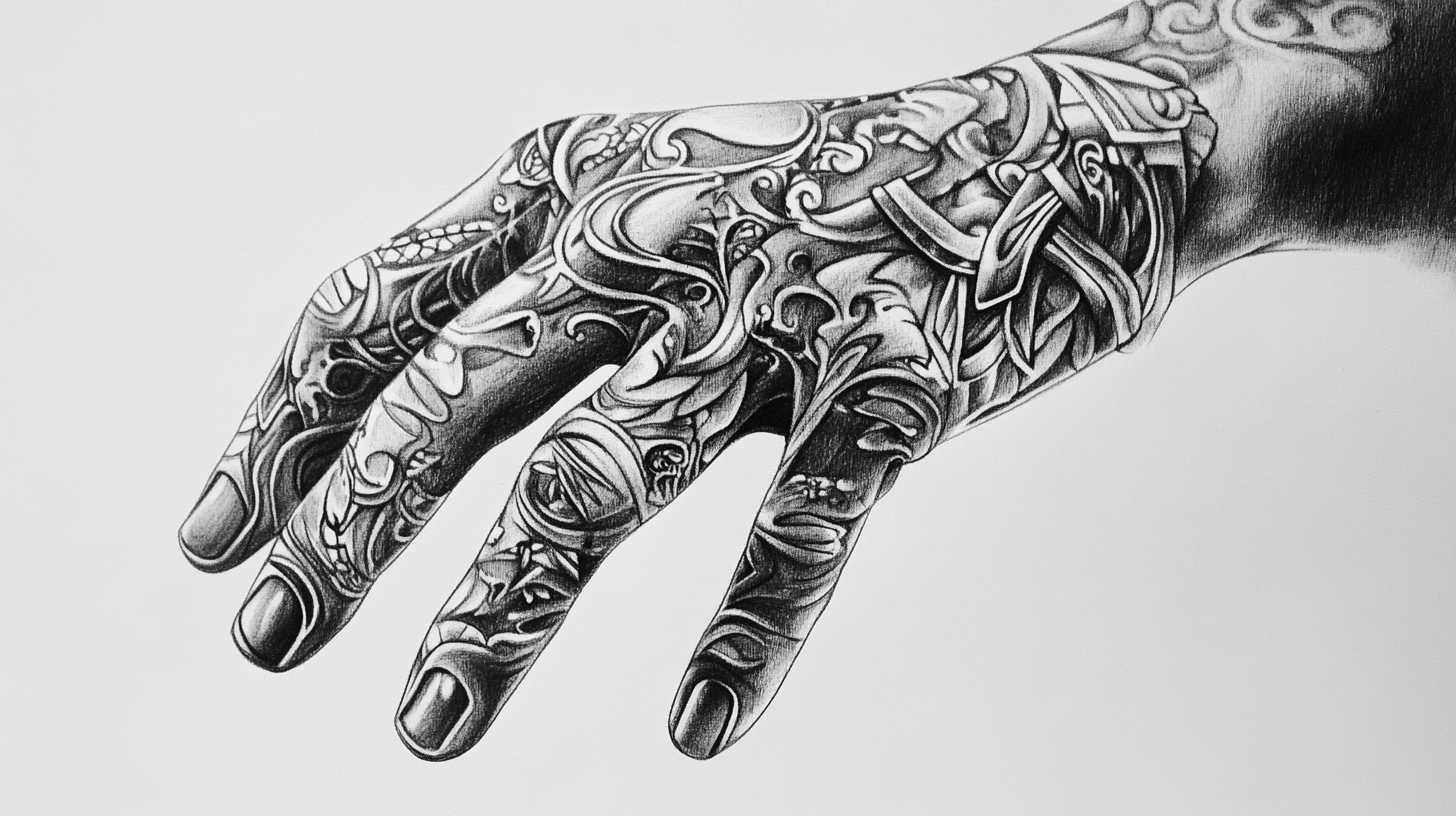
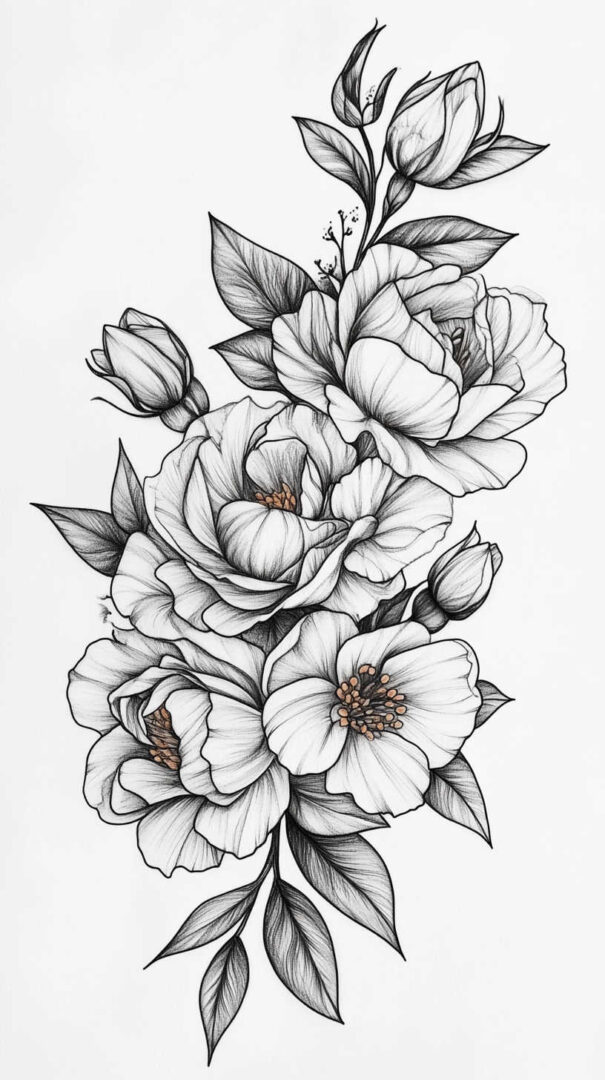
Starting your journey in tattoo design as a beginner opens up a world of creativity where simple sketches evolve into powerful body art. Drawing tattoo designs requires understanding clean lines, balanced proportions, basic shading, and how elements flow on skin. In 4K HD quality, sketches capture razor-sharp details—precise outlines, subtle hatching for depth, texture variations, and smooth gradients—making it easier to visualize final tattoos and practice effectively.


Beginners benefit from starting small and straightforward. Focus on designs with minimal elements, strong silhouettes, and forgiving shapes that build confidence in line work, consistency, and composition. These sketches serve as practice templates on paper, digital tablets, or fake skin, helping develop steady hands and artistic eye before tackling complex pieces.
This guide explores beginner-friendly motifs, essential drawing techniques, popular categories, placement considerations, and tips to refine skills, all rendered in high-definition detail for clarity and inspiration.
Essential Tools and Setup for Beginners
Gather basic supplies to start drawing effectively.
- Pencils and Pens: HB or 2B pencils for sketching, fine liners (0.1–0.5 mm) for clean outlines.
- Paper or Digital Tools: Smooth sketch paper or tablets with pressure sensitivity for natural strokes.
- Erasers and Rulers: Precision erasers for corrections, straight edges for symmetry.
- Reference Materials: Print simple flash sheets or use photo references for proportions.
- Practice Skins: Transition from paper to synthetic skin for realistic feel.
In HD sketches, every stroke shows clearly, allowing analysis of thickness variations and pressure control.
Fundamental Drawing Techniques for Tattoo Sketches
Master basics before advancing.
- Line Work Practice: Draw straight lines, curves, and circles repeatedly to build steadiness.
- Basic Shading: Use hatching, cross-hatching, or stippling for depth without complexity.
- Symmetry and Balance: Mirror designs or use guidelines to ensure evenness.
- Proportion Rules: Apply golden ratio or simple grid methods for harmonious shapes.
- Negative Space: Plan areas left blank to enhance impact and breathing room.
Practice these on grid paper to develop muscle memory for clean, confident lines.

Simple Line Art and Minimalist Designs
Minimalist sketches excel for beginners due to their forgiving nature.
Single continuous lines form hearts, stars, arrows, or infinity symbols. Tiny geometric shapes like triangles or circles create abstract patterns. Fine-line techniques emphasize elegance with minimal shading.
These designs focus on outline precision, ideal for wrist, finger, or ankle placements where simplicity shines.
Heart and Love Symbol Sketches
Hearts rank among the easiest and most versatile beginner designs.
- Classic Heart Outline: Symmetrical lobes with pointed base, perfect for line consistency.
- Minimalist Broken Heart: Clean split for emotional depth without detail overload.
- Heart with Arrow: Add a simple shaft and fletching for love themes.
- Pulsing or Anatomical Heart: Basic curves with minimal veins for slight complexity.
HD renders show smooth curves and even thickness, helping perfect symmetry.
Star and Celestial Beginner Designs
Stars provide excellent shape practice.
Traditional nautical stars feature pointed rays with clean intersections. Simple five-point stars or dotted constellations offer variety. Add subtle shading to rays for dimension.
These suit forearm or behind-ear placements, teaching angle control and radial balance.




Sun, Moon, and Basic Nature Motifs
Celestial and natural elements build on basic shapes.
- Minimal Sun: Circle with radiating lines or simple rays.
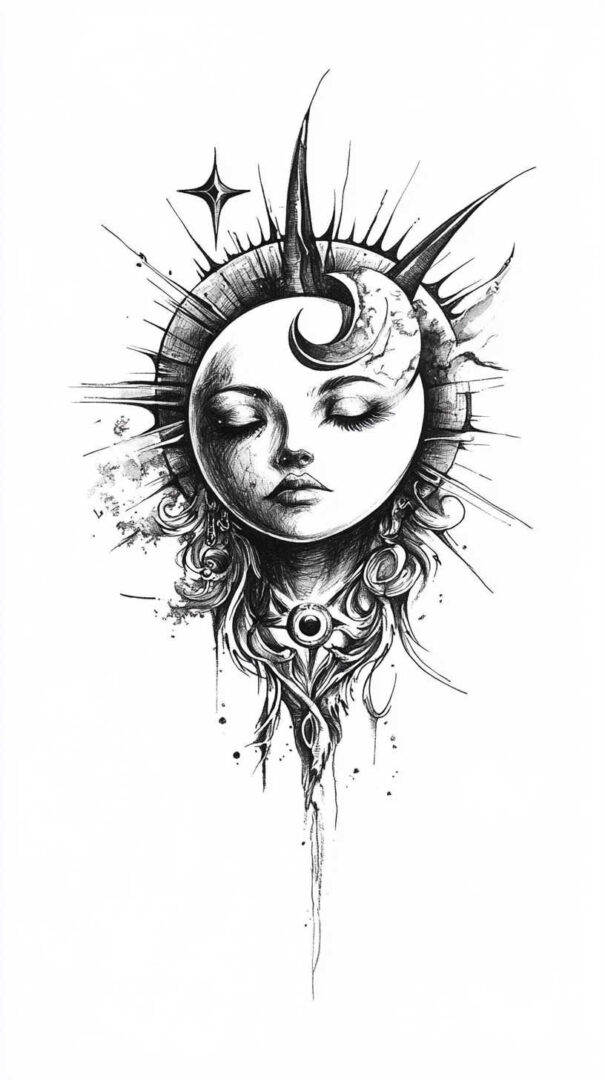
- Crescent Moon: Smooth arcs with optional face or stars.
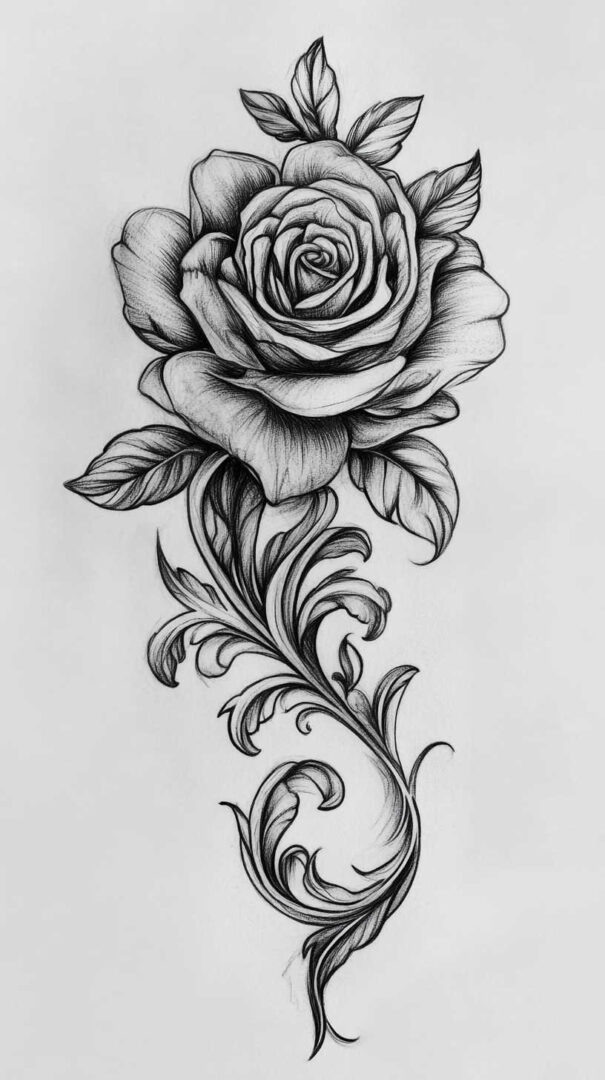
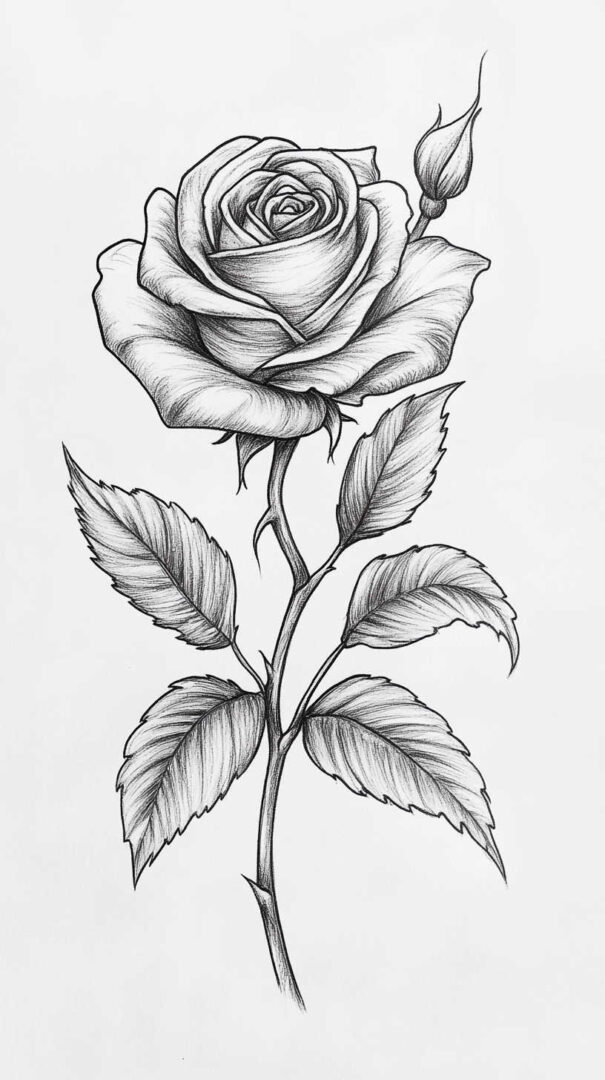
- Tiny Flowers: Daisy or rose outlines with few petals.
- Leaves or Vines: Curved stems with basic vein patterns.
These introduce gentle curves and repetition without overwhelming detail.
Animal Silhouettes and Simple Creatures
Silhouettes simplify complex forms.
- Bird in Flight: Basic wing shapes and tail for motion.
- Cat or Fox Profile: Clean outlines with ear and eye accents.
- Butterfly Wings: Symmetrical patterns with minimal fill.
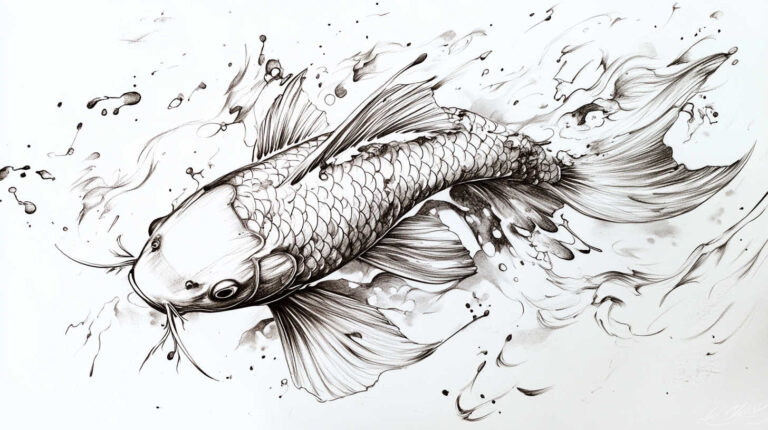
- Small Fish or Wave: Curved bodies for flow practice.
Focus on recognizable profiles rather than fur or feather details.
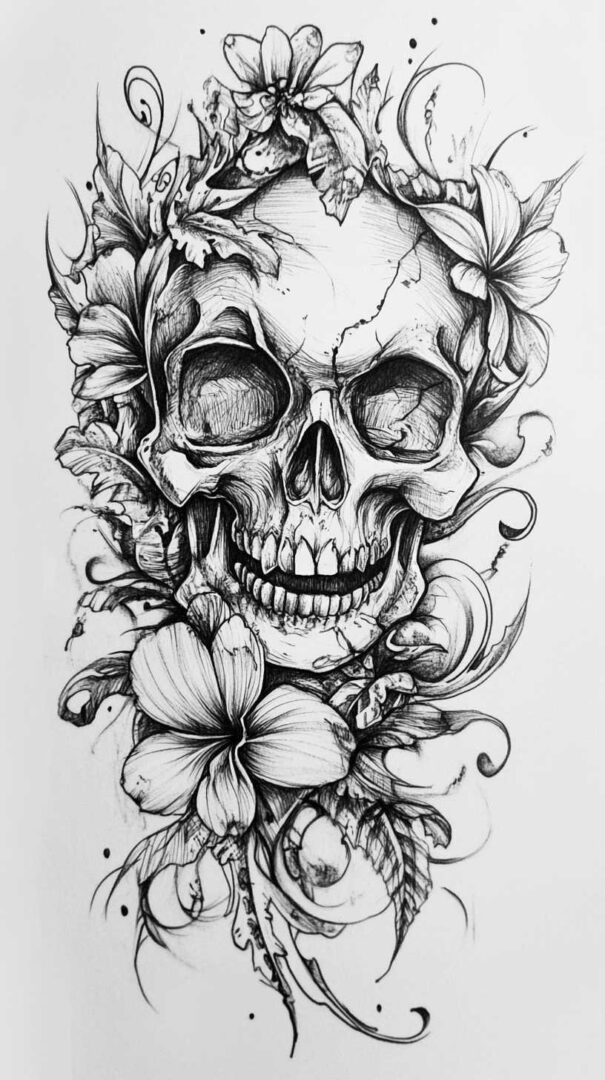
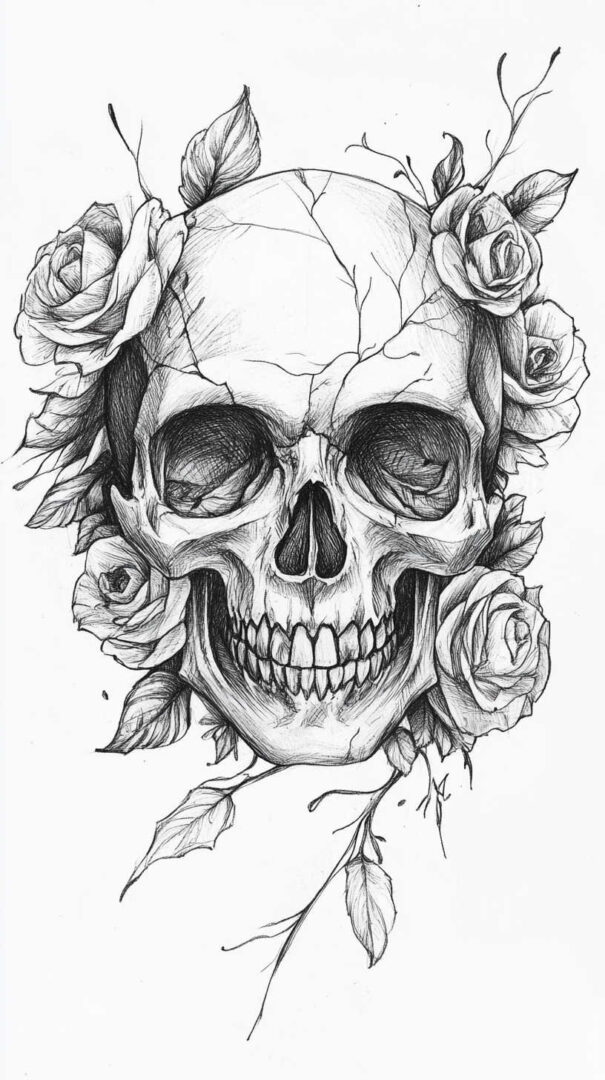
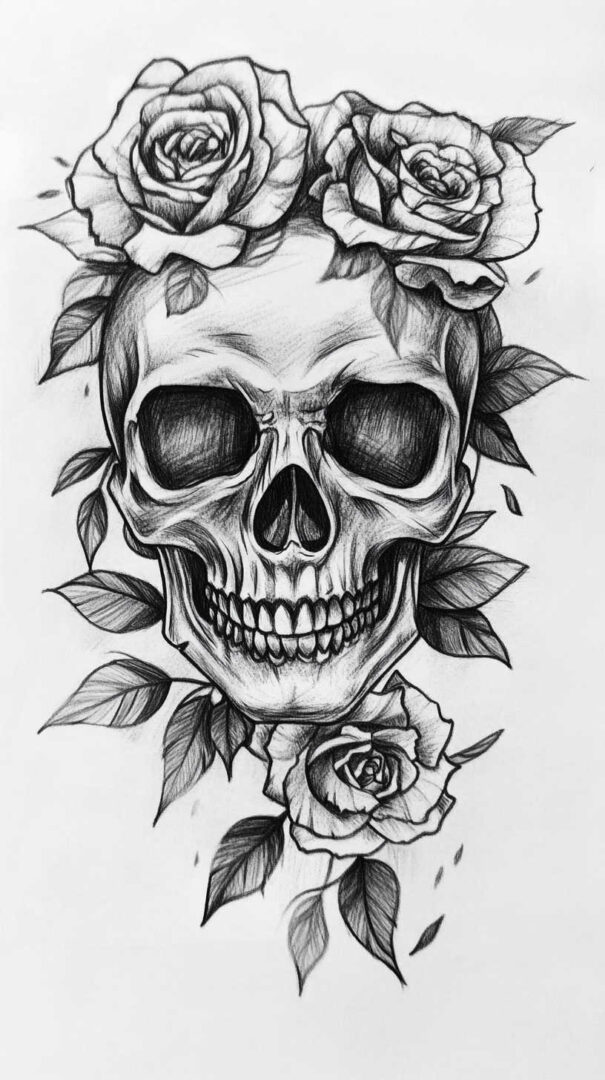
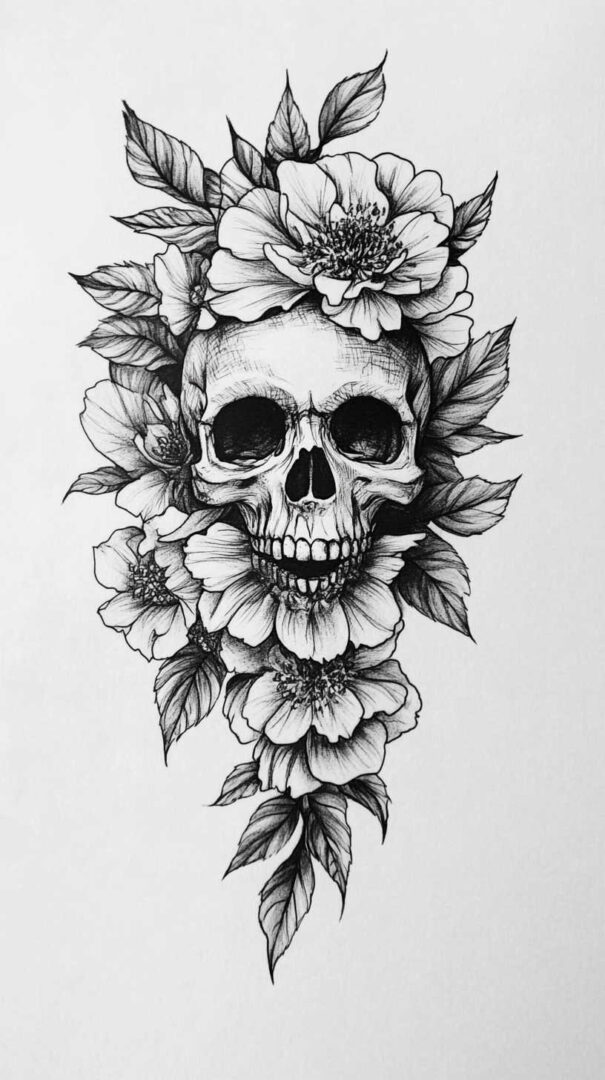
Skull and Rose Basics
Classic combinations offer balanced practice.
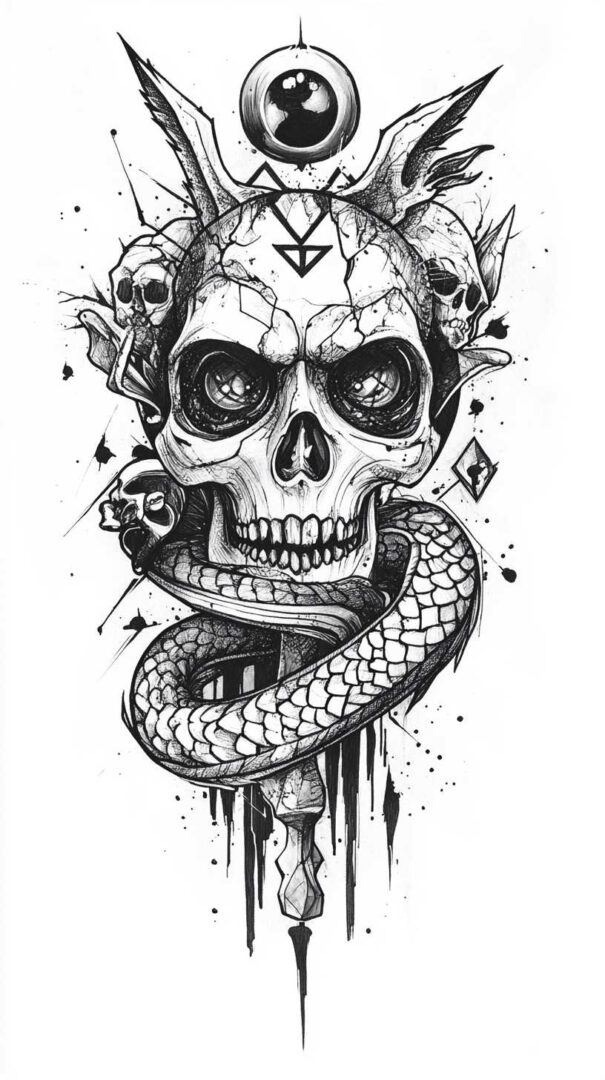
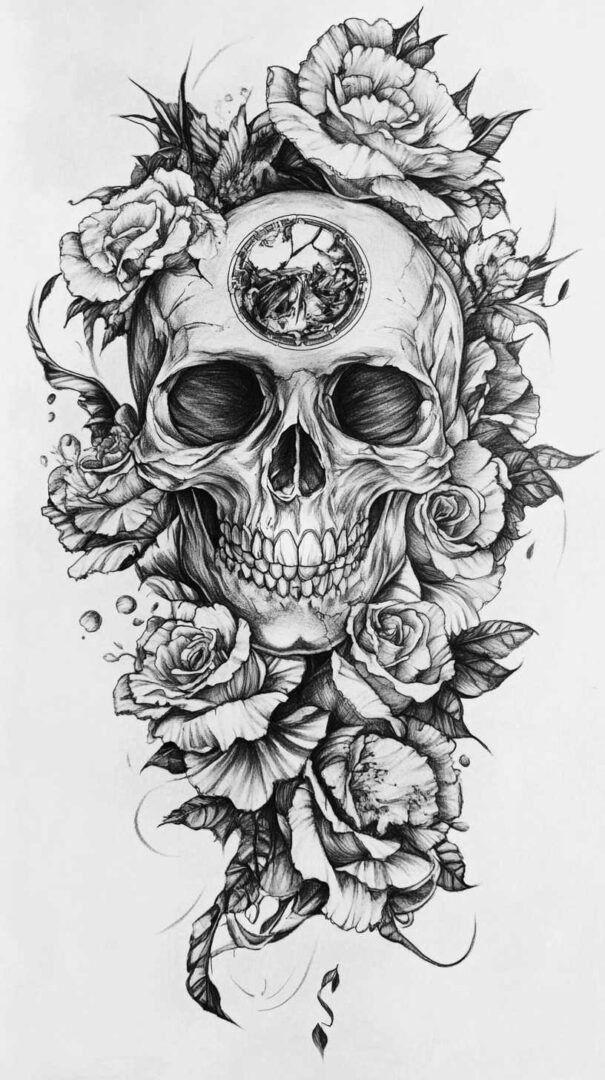
Simplified skulls use rounded cranium, eye sockets, and teeth rows. Pair with basic rose—circle center with layered petals. Keep shading light to avoid complexity.
These teach contrast between hard edges and soft curves.




Tribal and Geometric Starter Patterns
Bold, clean shapes suit beginners.
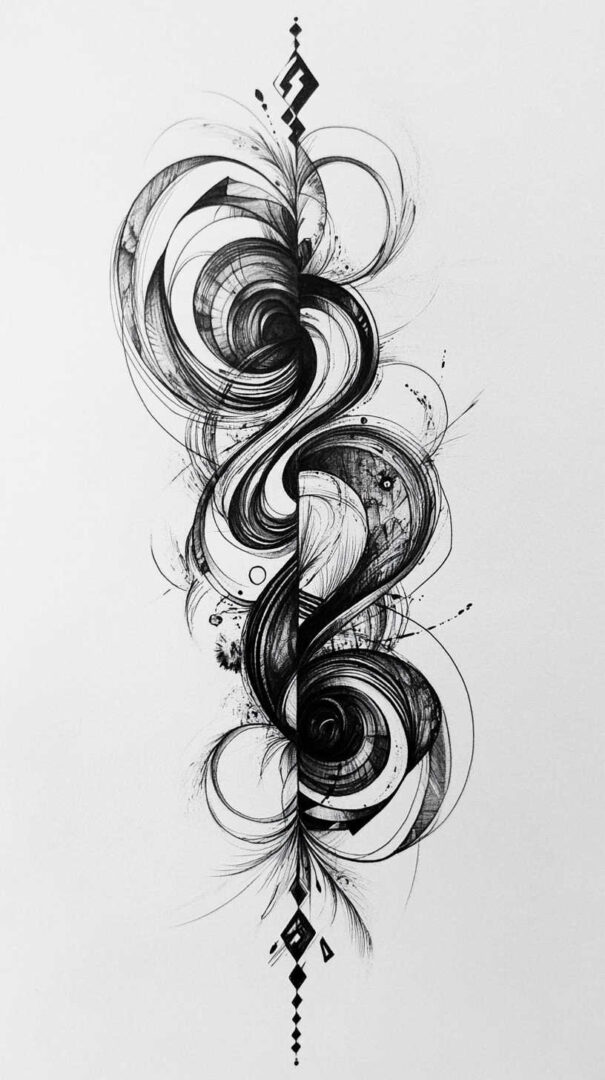
Simple tribal bands feature repeating spikes or waves. Geometric designs use interlocking triangles, hexagons, or mandala-inspired centers.
These emphasize thick lines and symmetry, great for armbands or small patches.
Script and Lettering for Beginners
Text adds personal touch.
- Single Words: “Strength,” “Hope,” or names in clean fonts.
- Minimal Quotes: Short phrases in cursive or block letters.
- Initials or Dates: Simple serifs or sans-serif styles.
Practice consistent letter spacing and stroke weight.
Placement and Composition Tips
Consider body flow in sketches.
- Small Designs: Wrists, ankles, fingers for easy practice.
- Medium Pieces: Forearm, bicep, or ribs for line extension.
- Symmetrical Placement: Center on chest or back for balance.
HD quality previews how designs sit on curves.


Customization and Progression Strategies
Evolve from basics.
- Add Personal Elements: Incorporate dates, symbols, or initials.
- Style Experiments: Try blackwork, dotwork, or light watercolor hints.
- Scale Testing: Draw same design in multiple sizes.
- Digital Enhancement: Use layers for variations.
Build portfolio with consistent practice.
Common Mistakes and How to Avoid Them
Steer clear of pitfalls.
Avoid overly intricate details early. Maintain consistent line thickness. Plan negative space. Practice on fake skin before real applications.
Regular sketching builds skill steadily.
Building Confidence Through Practice
Daily drawing transforms beginners.
Start with 15-minute sessions focusing on one technique. Gradually combine elements. Seek feedback from online communities or mentors.
Persistence turns simple sketches into professional-level designs.
Conclusion: Your First Tattoo Drawings Await
Drawing tattoo designs for beginners in 4K HD opens endless creative possibilities. From minimalist hearts and stars to simple animals and symbols, each sketch builds foundational skills while offering meaningful art. Embrace simplicity, practice diligently, and watch your lines gain confidence and precision. Your journey from beginner sketches to stunning tattoos begins with that first confident stroke.
Please share this Drawing Tattoo Designs for Beginners 4K HD Designs with your friends and do a comment below about your feedback.
We will meet you on next article.
Until you can read, Dove Tattoo Sketch 4K HD Designs